
Introduction: Why Many Homes Lose Their Charm at Night
During the daytime, many homes look beautiful. The landscaping is visible, the house design stands out, and everything feels lively. But once the sun goes down, the same house can suddenly look dull and flat. The garden disappears into darkness, the walkway becomes barely visible, and the property loses the charm it had during the day.
This happens more often than people think. Homeowners spend money on landscaping, stonework, and outdoor upgrades, but forget one important detail — lighting.
Good outdoor lighting can completely change how a house looks at night. It highlights shapes, textures, and features that normally go unnoticed. A well-lit home simply looks more polished and more expensive.
Homeowners searching for landscape lighting in Cumming often realize that lighting is not just about visibility. It’s really about presentation. With the right lighting strategy, even an average home can suddenly look elegant after dark.
In this guide, we’ll walk through how landscape lighting works, what usually works well, what mistakes people make, and how to design lighting that actually makes a house look high-end.
What Landscape Lighting Actually Means
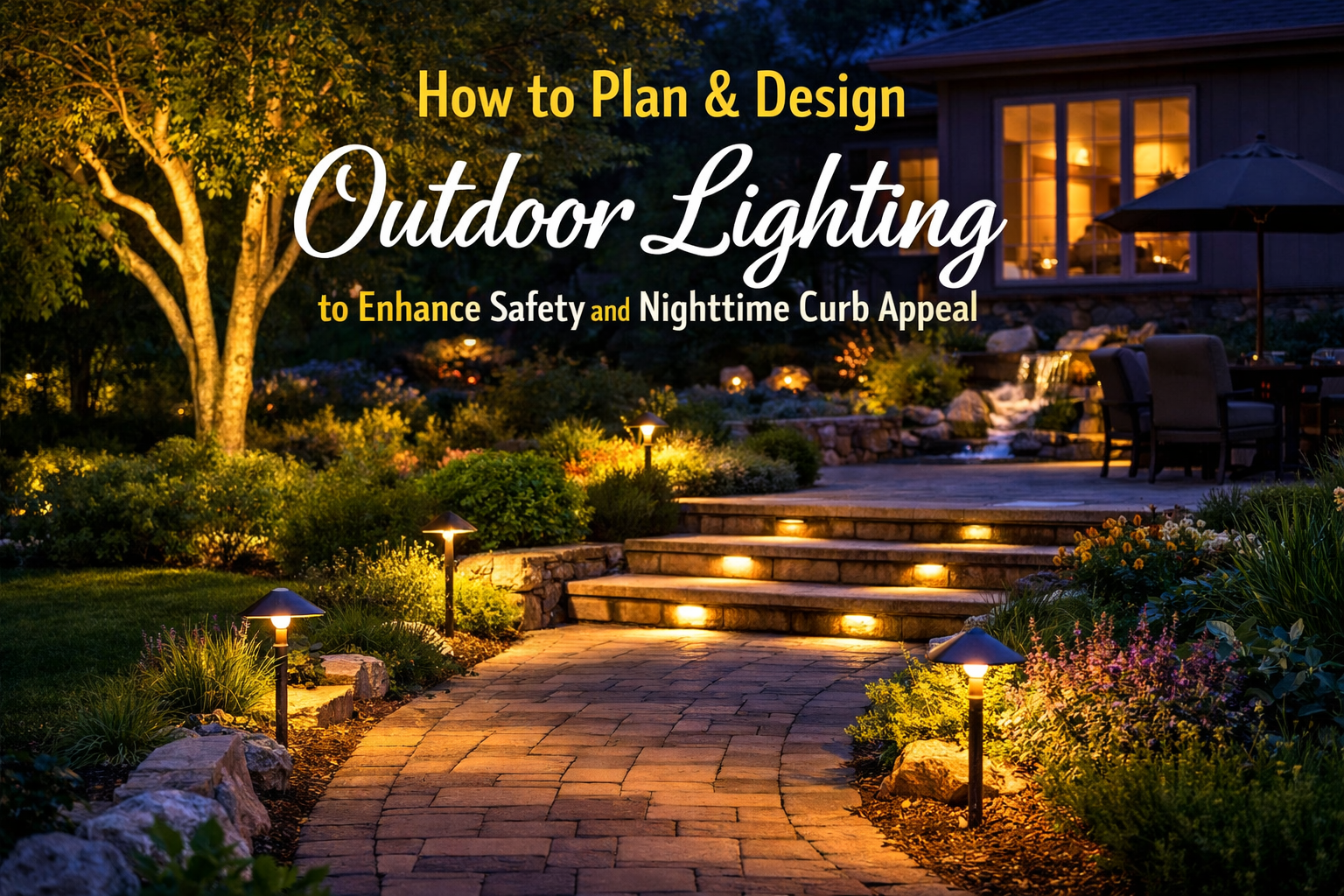
Landscape lighting is basically outdoor lighting that is placed with a purpose. It’s not just a porch light or a floodlight pointing at the yard.
Instead, landscape lighting is used to:
Highlight architecture
Light up trees and plants
Guide people along walkways
Create a warm and welcoming atmosphere
Think of it like stage lighting for your house. When the lights are placed correctly, the house becomes the center of attention.
I personally think this is one of the most underrated upgrades a homeowner can make. A good lighting setup can sometimes make a bigger visual impact than expensive landscaping.
The Process of Designing Landscape Lighting
Good lighting doesn’t happen by randomly putting lights around the yard. Professionals usually follow a simple process.
1. First, Look at the Property Carefully
Before installing anything, it’s important to study the property.
Ask questions like:
What parts of the house look the best?
Are there trees worth highlighting?
Where do people walk?
What areas feel too dark?
The goal is to find focal points.
For example:
The front entrance
A big tree in the yard
A stone wall
A curved walkway
These are the areas that should stand out once the lights are installed.
2. Create Different Layers of Light
One of the biggest mistakes homeowners make is using just one type of lighting.
Good lighting uses layers.
Here are the three main layers.
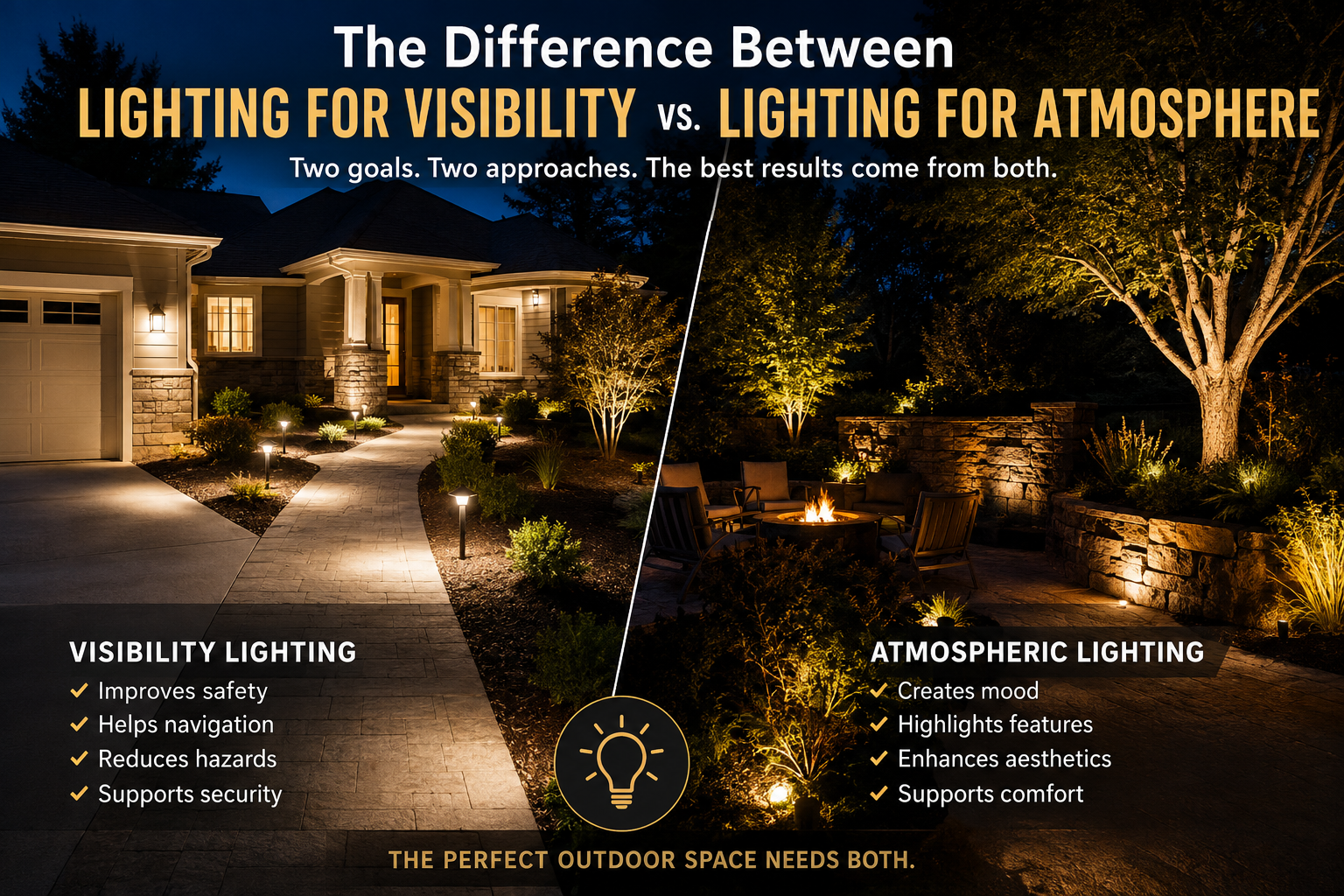
Accent Lighting
This lighting highlights specific things like trees, walls, or columns.
It’s used to draw attention.
Path Lighting
These lights guide people along walkways and driveways.
They make the yard safer and more inviting.
Ambient Lighting
This is softer lighting that fills the space without being too bright.
It creates a relaxing mood.
When these layers work together, the yard feels balanced instead of overly bright.
3. Choose the Right Lighting Techniques
Landscape lighting designers use different techniques to create visual effects.
Uplighting
Lights are placed on the ground and pointed upward.
This works great for:
Trees
Columns
Tall plants
Stone features
Uplighting adds drama and height.
Downlighting
Lights are placed above and shine downward.
This works well for patios and seating areas.
It feels natural, almost like moonlight.
Grazing
This technique places lights close to textured surfaces.
It’s perfect for stone or brick walls because the texture becomes more visible.
Important Components of a Good Lighting System
A good lighting system needs more than just lights.
LED Fixtures
Most modern systems use LED lights.
They last longer and use very little electricity.
Another benefit is the color of the light. Warm LED lighting looks soft and elegant.
A Good Transformer
This device controls the power going to the lights.
Cheap transformers often cause lights to flicker or look uneven.
It’s not the most exciting part of the system, but it matters.
Smart Controls
Many homeowners now use smart timers or apps.
This allows the lights to turn on automatically in the evening.
Personally, I think automation is worth it. Once it's installed, you never have to think about turning lights on or off again.
What Usually Works Best
From what I’ve seen, certain lighting choices almost always look good.
Lighting the Front Entrance
The front door should be easy to see and welcoming.
When the entrance is well-lit, the house immediately feels more upscale.
Highlighting Trees
Large trees are perfect for lighting.
Uplighting a tree can make the yard look much more dramatic.
It adds height and depth to the entire property.
Using Warm Light
Warm light usually looks better than bright white light.
Cool white lighting can make a home feel like a parking lot or office building.
Warm lighting feels softer and more natural.
What Often Fails in Landscape Lighting
Not every lighting setup looks good.
In fact, some common mistakes can make a house look worse.
Too Many Lights
Some people think more lights will make the house look better.
Usually, it does the opposite.
Too much light removes shadows and depth.
The result feels flat and harsh.
Poor Placement
Lights that shine directly into people’s eyes are a big problem.
Glare ruins the effect.
Good lighting should highlight the house, not blind visitors.
Cheap Fixtures
Low-quality fixtures often rust or break quickly.
They may look fine at first, but fail after a year or two.
In my opinion, this is where homeowners shouldn’t cut corners.
A Real Example
A homeowner had a nice property with a stone front wall, two oak trees, and a curved walkway.
But at night, the house looked completely plain.
Everything disappeared in the dark except the porch light.
The lighting upgrade included:
Uplights for the oak trees
Path lights along the walkway
Accent lights on the stone wall
The change was honestly dramatic.
The trees suddenly looked huge, the stone texture became visible, and the walkway guided visitors naturally to the front door.
Neighbors actually thought the house had been renovated.
But the only change was the lighting.
Why Landscape Lighting Matters
Some people think landscape lighting is just decoration.
But it actually provides several practical benefits.
Better Curb Appeal
A well-lit home looks polished and inviting.
This matters a lot if you ever plan to sell.
Safety
Walkways and driveways become easier to navigate.
Guests can see where they are going.
Security
Well-lit homes are less attractive to intruders.
Dark corners tend to invite trouble.
More Use of Outdoor Spaces
Patios and gardens become enjoyable at night.
Without lighting, those areas go unused after sunset.
Practical Things to Consider Before Installing Lights
Before installing landscape lighting, think about a few important things.
Budget
Costs can vary depending on how many lights are installed.
A basic system may be affordable, while larger designs cost more.
Materials
Fixtures come in different materials like aluminum, brass, or copper.
Brass and copper usually last longer outdoors.
Layout
Lighting should match the property's layout.
Good designs highlight natural features rather than forcing light into random areas.
How Everything Works Together
- A good lighting design feels balanced.
- Nothing is overly bright, and nothing disappears in darkness.
- Path lights guide movement.
- Accent lights highlight features.
- Ambient lights create a mood.
When everything works together, the house simply looks more refined.
Ironically, the best lighting designs are the ones you don’t really notice. You just noticed that the house looks great.
Key Takeaways
Landscape lighting can completely transform how a house looks at night.
Using layered lighting creates depth and interest.
Trees and architectural details are great focal points.
Warm lighting usually looks more elegant than bright white light.
Too many lights can ruin the effect.
Good fixture quality matters more than people realize.
Conclusion
Landscape lighting is one of those upgrades that many homeowners overlook, but once it’s installed, the difference is hard to ignore. The right lighting can highlight trees, show off architectural details, and make a home feel welcoming after dark. It doesn’t require major construction or expensive renovations, but the visual impact can be huge.
In my opinion, thoughtful lighting design is one of the simplest ways to make a property look more refined and polished at night. When done properly, the house gains depth, character, and presence. Homeowners looking to elevate their outdoor spaces often see impressive results with professionally designed systems from Abulous Lighting, where careful placement and quality fixtures help bring out the best features of a property.
FAQs
1. How much does landscape lighting usually cost?
Costs vary depending on the size of the property and the number of fixtures. Smaller systems may cost a few hundred dollars, while larger designs cost more.
2. Are LED lights better for outdoor lighting?
Yes. LED lights last longer and use less electricity.
3. Can landscape lighting increase home value?
It can improve curb appeal, which often helps when selling a property.
4. How long do landscape lights last?
Good quality LED fixtures can last many years with minimal maintenance.
5. Do landscape lights use a lot of electricity?
No. Most systems are low voltage and very energy efficient.
6. Can outdoor lighting be automated?
Yes. Many systems include timers or smart controls that automatically turn lights on and off.


Write a comment ...