
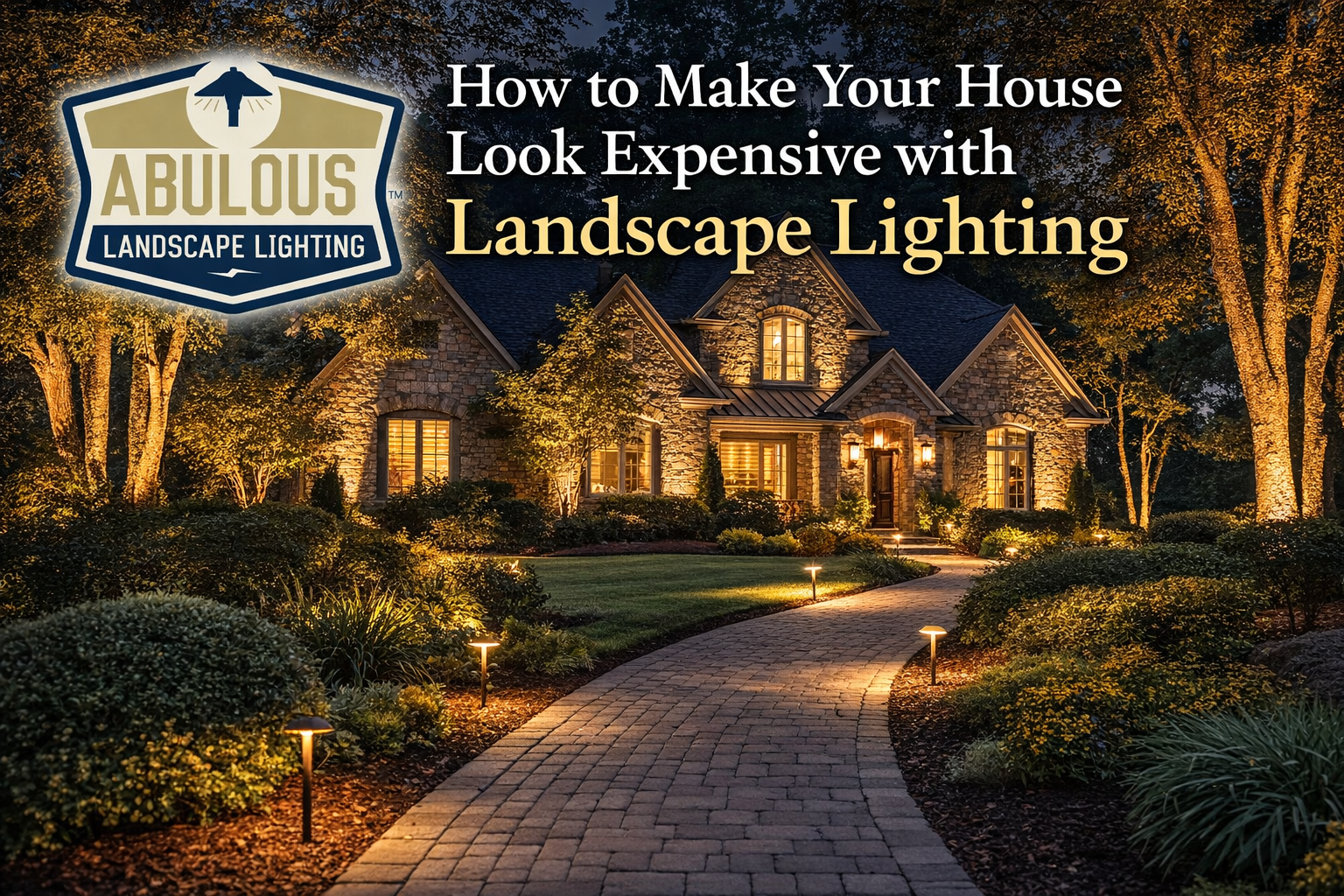
Let’s be honest — most yards look like a black hole after the sun goes down. You walk out, and suddenly the steps, rocks, and garden beds are invisible. That’s where landscape lighting in Brookhaven can really save the day. Not only does it make your home safer for you and your guests, but it also makes your property look inviting and well cared for. The trick is not just throwing lights everywhere — it’s planning thoughtfully. According to a survey, 89% of homeowners feel outdoor lighting makes their home safer, and a good setup can boost curb appeal big time.
In this guide, I’ll walk you through what usually works, what trips people up, and some practical, real-world advice for making your outdoor space shine — literally.
Table of Contents
Why Outdoor Lighting Actually Matters
Where Should You Begin With a Lighting Plan?
How Do You Light Walkways and Steps Without Overdoing It?
What Lighting Tricks Make Your Home Look Amazing at Night?
Which Fixtures Are Worth Your Money (And Which Aren’t)?
What Common Mistakes Ruin Outdoor Lighting Plans?
Can Smart Features Be Worth It?
Conclusion: Take Control of Your Yard at Night
FAQs
Why Outdoor Lighting Actually Matters
Here’s the thing: outdoor lighting isn’t just about aesthetics. A poorly lit yard isn’t just ugly — it’s dangerous. Trips, falls, and even small scrapes happen more often than most people realize. Lighting solves this, but it also adds personality to your home.
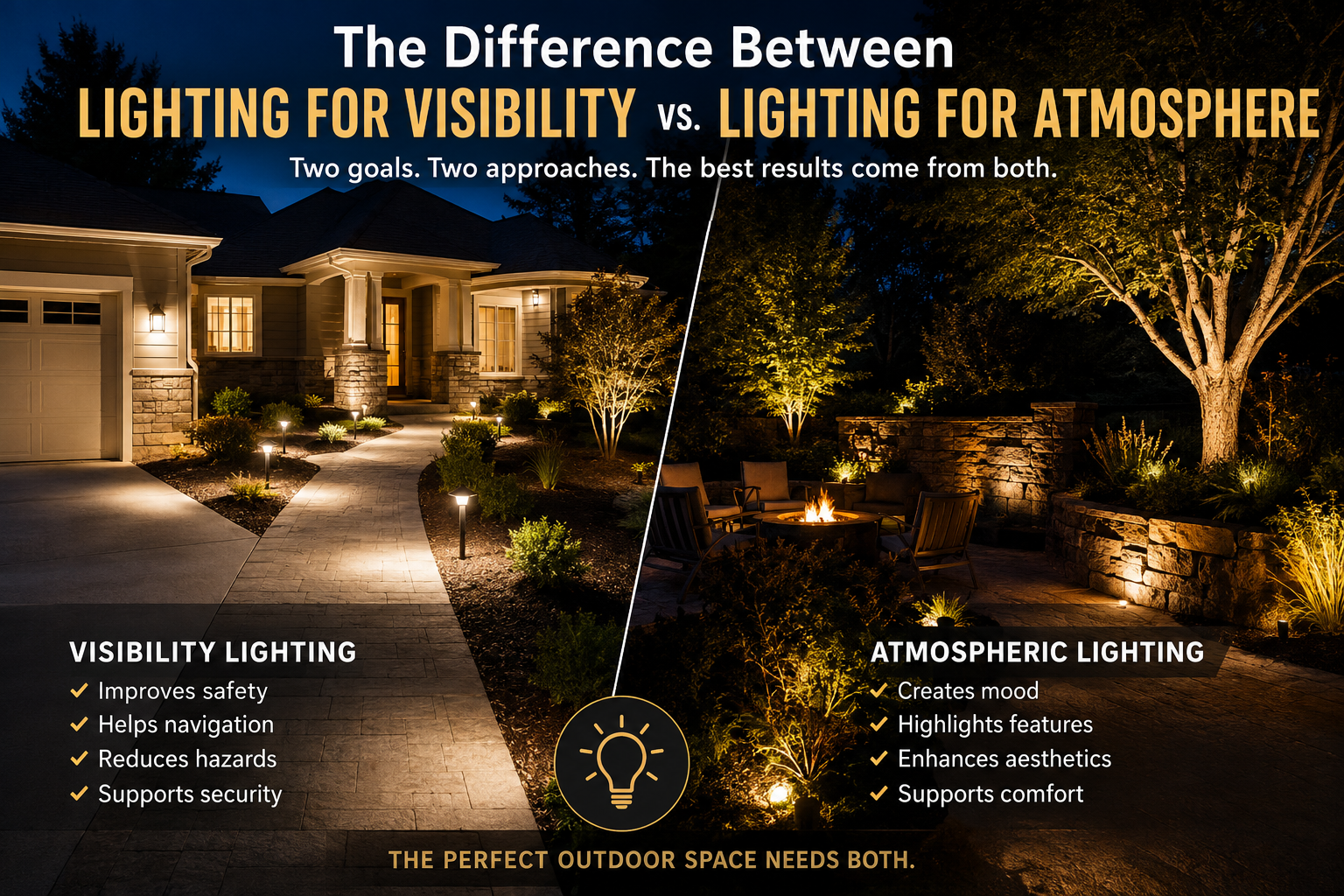
Most people don’t realize how much lighting impacts perception. A dimly lit home can look uncared-for, while a home with thoughtful lighting feels safe, inviting, and yes — classy. I usually tell people that soft, layered lighting works best. Too bright, and it looks like a stadium; too dim, and it’s basically useless.
Where Should You Begin With a Lighting Plan?
Planning is where most people mess up. They either buy a bunch of random lights because “more is better,” or they ignore dark corners entirely. Here’s what usually works:
Walk your yard at night: Take a flashlight and notice dark spots. Pay attention to steps, curbs, pathways, and entry points. This gives you your “safety priority” list.
Sketch a rough layout: Draw your yard and mark safety zones, focal points (like trees or fountains), and areas you want to highlight. Even a rough sketch helps prevent random light placement later.
Decide the purpose for each light: Is it safety? Ambiance? Highlighting a feature? Knowing this ahead of time saves money and avoids over-lighting.
Personal tip: Safety first, beauty second. I’ve seen yards look gorgeous with lights on plants, but still be a nightmare to walk through at night. That’s the wrong order.
How Do You Light Walkways and Steps Without Overdoing It?
Walkways and steps are non-negotiable. Without them, you’re asking for trips and awkward shuffling.
Pathway Lighting
Lights spaced 6–8 feet apart usually do the trick for soft, even coverage.
Stick to low-level lights, so you can see where to step without glare.
Steps and Elevation Changes
Step lights embedded in risers or side-mounted wall lights prevent accidents.
Avoid overhead lights that create harsh shadows on steps — they actually make walking harder.
Example: I helped a friend set up lights along his front walkway in Brookhaven. We used path lights at 7-foot intervals with warm LEDs. The difference was immediate — safer to walk, and the house looked more inviting without feeling like a “theme park.”
What Lighting Tricks Make Your Home Look Amazing at Night?
After safety, aesthetics come into play. Here’s what works versus what often fails:
Uplighting
Works: Placing lights at the base of trees or columns to shine upward. Adds drama and depth.
Fails: If you place them too close to the feature, shadows get harsh and unnatural.
Accent Lighting
Works: Focused lights on fountains, statues, or garden beds. Highlights what you want people to notice.
Fails: Overdoing it on every flowerbed or bush. Less is more.
Moonlighting / Downlighting
Works: Soft, angled lights from trees to mimic moonlight. Looks natural and cozy.
Fails: Putting them at weird angles that shine into neighbors’ windows. Always check angles first.
Personal judgment: Moonlighting is my favorite technique — it feels natural, not staged, and works beautifully for patios or backyard entertaining areas.
Which Fixtures Are Worth Your Money (And Which Aren’t)?
Here’s a quick breakdown:

What Common Mistakes Ruin Outdoor Lighting Plans?
Too many lights: Over-lighting washes out shadows and flattens the space. Focus on strategic placement.
Direct glare: Pointing lights at eye level hurts more than it helps. Always angle downward or toward surfaces.
Ignoring layers: Your lighting should have safety lights, accent lights, and ambient glow — missing a layer looks incomplete.
Example: One Brookhaven client installed 30 path lights around his yard. It looked chaotic and overexposed. We replaced half with subtle uplights and moonlighting, and the yard suddenly looked balanced.
Can Smart Features Be Worth It?
Absolutely, if you want convenience and flexibility:
Timers & Photocells: Turn lights on/off automatically. Saves electricity and ensures consistency.
Motion Sensors: Ideal for driveways and side paths. Lights only come on when needed.
App Controls: Adjust brightness, schedule scenes, and even dim lights for ambiance.
Personal take: Smart controls are great, but only after you have the right placement and layering. Otherwise, fancy tech won’t save a poorly lit yard.
Conclusion: Take Control of Your Yard at Night
Here’s the bottom line: good outdoor lighting is about more than bulbs — it’s about planning, placement, and layering. With landscape lighting in Brookhaven, you can prevent accidents, highlight your home’s beauty, and even impress your neighbors without overdoing it.
Start small — paths, steps, and a few accent features. Add uplighting and moonlighting for drama. Keep lights warm and avoid glare. And if you want a professional touch, Abulous Lighting can design and install a system that actually works the way it should — safe, attractive, and low-maintenance.
Quick fact: Proper outdoor lighting can increase home safety by up to 55% (source).
Take the first step tonight — walk your yard, identify dark zones, and start planning with purpose. It’s easier than you think, and the difference is immediately noticeable.
FAQs
1. How far apart should path lights be?
6–8 feet is usually perfect for soft, even illumination. Too close looks busy; too far leaves dark spots.
2. Can outdoor lighting improve home security?
Yes. Bright pathways, entrances, and yards reduce potential hiding spots for intruders.
3. Are LEDs better than traditional bulbs?
Absolutely. They’re energy-efficient, long-lasting, and look warmer than cheap halogens.
4. Should all lights match in color temperature?
Yes — consistency keeps your yard looking intentional and balanced.
5. Can lighting actually increase home value?
Definitely, a well-lit, aesthetically pleasing yard makes your home more appealing to buyers.


Write a comment ...