
Many homeowners invest in outdoor lighting expecting their property to look amazing after sunset. Sometimes it does. Other times, the space is brighter but somehow feels less inviting than expected. The reason usually comes down to one thing: understanding the difference between lighting for visibility and lighting for atmosphere.
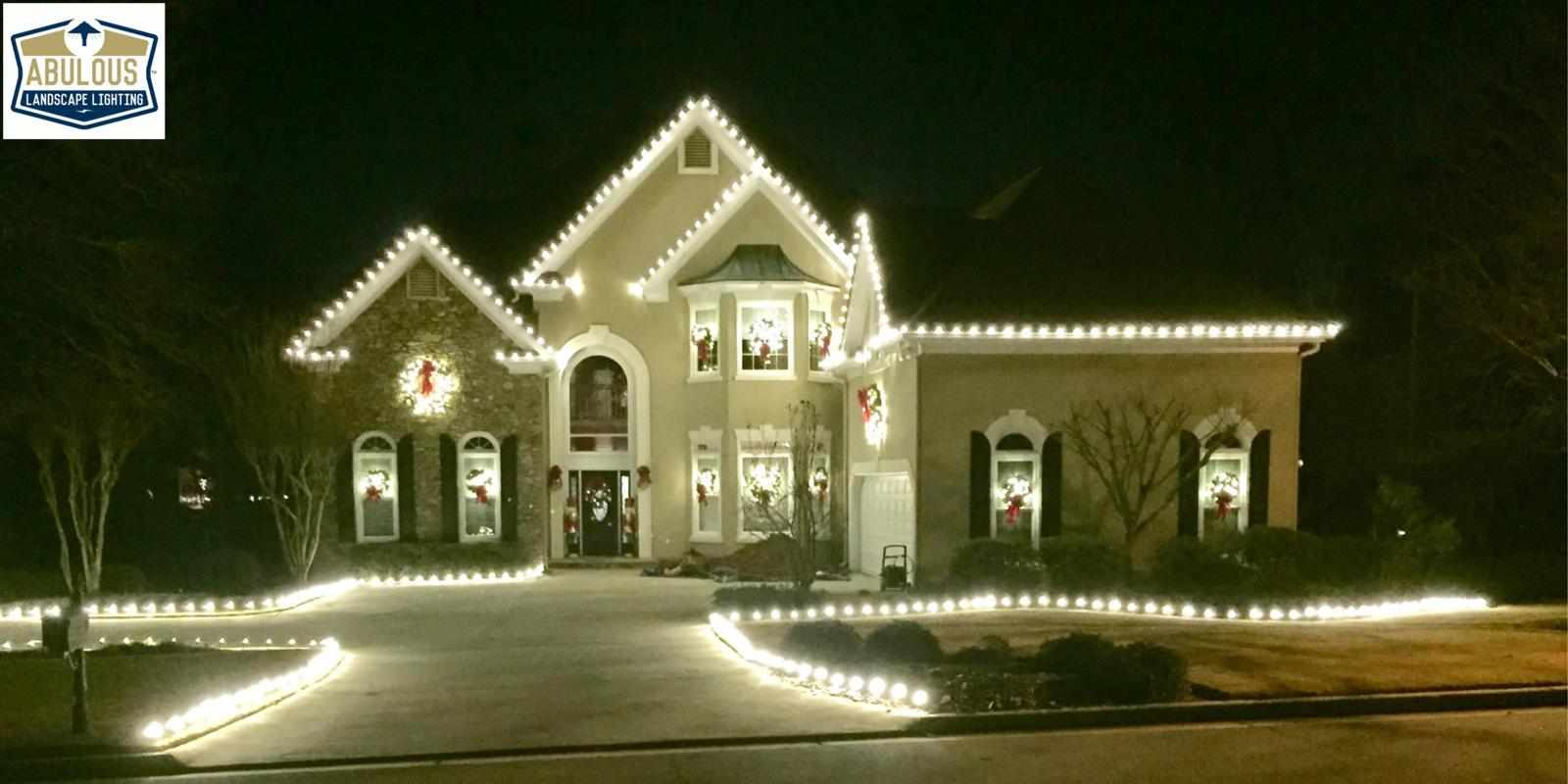
If you're considering professional landscape lighting in Roswell, it's important to know that outdoor lighting isn't just about making things visible. It's also about creating a mood, highlighting important features, and making people feel comfortable in the space. The best lighting designs balance both goals instead of focusing entirely on one.
Whether you're lighting a residential backyard, a commercial property, a restaurant patio, or a front entrance, knowing how these two approaches work can help you make smarter decisions and avoid common mistakes.
Why Outdoor Lighting Isn't Just About Brightness
One of the biggest misconceptions in landscape lighting is that more light automatically means better results.
In reality, some of the most attractive outdoor spaces aren't the brightest. They're simply designed better.
I've seen properties with dozens of fixtures that still felt uncomfortable at night because every corner was flooded with light. At the same time, I've seen landscapes with a modest number of fixtures create a dramatic and welcoming appearance simply because the lighting was placed strategically.
Most people don't want their property to feel like a parking lot. They want it to feel safe, attractive, and enjoyable after dark.
That's where understanding visibility lighting and atmospheric lighting becomes important.
What Is Visibility Lighting?
Visibility lighting is exactly what it sounds like. Its main purpose is to help people see and move safely around a property.
This type of lighting focuses on function first.
Common examples include:
Walkway lighting
Step lighting
Driveway lighting
Entry lighting
Parking lot lighting
Security lighting
The goal is simple. People should be able to navigate the space without struggling to see where they're going.
For homeowners, visibility lighting often prevents trips and falls. For commercial properties, it helps customers and employees move around safely.
What usually works well is consistent lighting that guides people naturally through the property.
What often fails is installing a few extremely bright fixtures and assuming they'll illuminate everything effectively. Those bright spots often create harsh contrasts and deeper shadows elsewhere.
What Is Atmospheric Lighting?
Atmospheric lighting focuses less on visibility and more on how a space feels.
Think about a luxury hotel courtyard, an upscale restaurant patio, or a beautifully lit backyard entertaining area. Those spaces aren't memorable because they're bright. They're memorable because they create an experience.
Atmospheric lighting often includes:
Tree uplighting
Garden lighting
Architectural accent lighting
Patio lighting
Water feature lighting
Decorative lighting effects
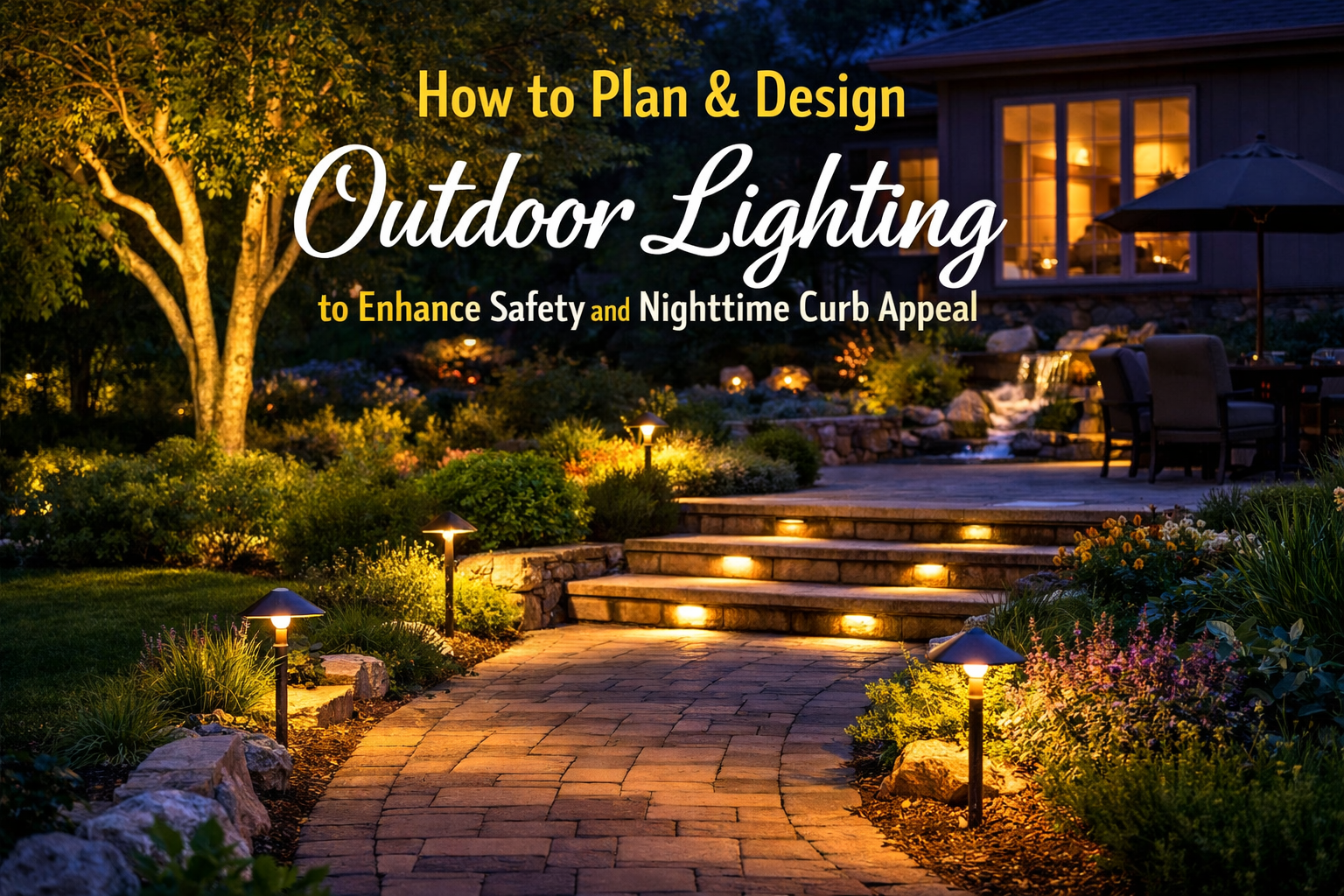
Instead of illuminating everything evenly, atmospheric lighting highlights selected features while allowing some areas to remain softer and more subtle.
In my opinion, this is where landscape lighting becomes an art rather than just a utility project.
A mature oak tree lit from below can completely transform a property at night. The same is true for stone walls, fountains, or architectural details that would otherwise disappear after sunset.
The Biggest Difference Between Visibility and Atmosphere
The difference comes down to purpose.
Visibility lighting answers the question:
"Can people see where they're going?"
Atmospheric lighting answers the question:
"How does this space feel?"
Neither approach is wrong.
The problem happens when property owners focus entirely on one and ignore the other.
A property that's only designed for visibility can feel cold and sterile.
A property that's only designed for atmosphere may look beautiful but become difficult to navigate safely.
The best outdoor spaces combine both.

Why Brighter Usually Isn't Better
This is probably the lesson most homeowners learn after a lighting project.
More brightness doesn't automatically improve visibility.
In fact, excessive brightness often creates glare.
Glare occurs when light shines directly into your eyes and reduces visual comfort. It can make surrounding areas appear darker even though more light is being used.
A good example is driving at night. One bright headlight can make it harder to see what's happening around it.
The same thing happens in landscape lighting.
One common mistake is using powerful floodlights throughout the property. While they make everything visible, they often eliminate depth, create harsh shadows, and make outdoor spaces feel uncomfortable.
Balanced lighting usually produces better results than maximum brightness.
Why Shadows Matter More Than People Think
Most people assume shadows are bad.
In reality, shadows help create depth and contrast.
Without them, landscapes often look flat and lifeless.
Professional photographers understand this concept well. The same principles apply to outdoor lighting.
Some of the most attractive nighttime landscapes intentionally preserve areas of shadow. This contrast draws attention to important features and creates visual interest.
A property where every square foot is illuminated often lacks character.
A property with thoughtful highlights and shadows tends to feel more natural.
How Professional Lighting Designers Approach a Property
Most experienced lighting professionals don't start by choosing fixtures.
They start by asking questions.
How is the property used?
Where do people gather?
Which areas require safe navigation?
Which features deserve attention?
Are security concerns a priority?
The answers determine the design.
One thing that usually works is creating layers of light.
Layer One: Functional Lighting
This includes pathways, steps, driveways, and entry points.
Its primary purpose is safety.
Layer Two: Accent Lighting
This highlights landscape features, trees, architectural details, and focal points.
Its purpose is visual interest.
Layer Three: Ambient Lighting
This creates the overall mood of outdoor living areas.
Patios, seating spaces, and outdoor kitchens often benefit from ambient lighting.
When all three layers work together, the property feels balanced rather than overly bright or underlit.
The Role of LED Technology
Modern landscape lighting has improved dramatically because of LED technology.
According to the U.S. Department of Energy, LEDs use at least 75% less energy and can last up to 25 times longer than incandescent bulbs.
That efficiency allows designers to create layered lighting systems without significantly increasing operating costs.
Another advantage is better control over color temperature and beam spread.
Warm white LEDs, typically between 2700K and 3000K, tend to create the most inviting outdoor environments. Cooler temperatures often feel too harsh for residential landscapes.
Common Mistakes That Often Lead to Disappointing Results
Several mistakes appear repeatedly in outdoor lighting projects.
One is buying fixtures before creating a plan.
Another is trying to light every feature equally.
I've also seen many property owners ignore future landscape growth. A fixture that works perfectly today may become hidden behind shrubs in a few years.
Perhaps the biggest mistake is focusing entirely on brightness.
Most successful projects focus on balance instead.
Conclusion
The difference between lighting a property for visibility and lighting it for atmosphere isn't about choosing one over the other. It's about understanding that each serves a different purpose.
Visibility lighting helps people move safely and comfortably through a space. Atmospheric lighting creates the feeling that makes people want to spend time there.
If there's one lesson I've learned from successful outdoor lighting projects, it's that thoughtful placement almost always beats excessive brightness. A few carefully positioned fixtures often create a better result than dozens installed without a clear plan.
Whether you're improving a residential landscape or upgrading a commercial property, the goal should be balance. When visibility and atmosphere work together, outdoor spaces become safer, more attractive, and far more enjoyable after dark.
For property owners looking to create that balance, Abulous Lighting provides professional landscape lighting solutions designed around how people actually use and experience outdoor spaces.
FAQs
Is visibility lighting the same as security lighting?
No. Security lighting is one part of visibility lighting. Visibility lighting also includes pathways, steps, entrances, and other areas where safe movement is important.
Can atmospheric lighting improve safety?
Yes. While its primary purpose is aesthetics, atmospheric lighting can improve awareness of surroundings when designed correctly.
What color temperature is best for landscape lighting?
Most professionals recommend warm white LEDs between 2700K and 3000K because they create a comfortable and natural appearance.
Why does my outdoor lighting feel too harsh?
Harsh lighting is often caused by glare, overly bright fixtures, or poor fixture placement. Reducing brightness and improving placement usually helps.
How often should landscape lighting be maintained?
Most systems benefit from annual inspections, cleaning, and adjustments to account for landscape growth and fixture performance.

Write a comment ...